


Breast Lift
Breast Lift in Ottawa with Dr. Loizides
A breast lift, or mastopexy, is a surgical procedure designed to address sagging breasts by reshaping and elevating them for a rounder, firmer, and more youthful appearance. Whether caused by aging, weight fluctuations, or breastfeeding, a breast lift can help restore confidence and improve body contours. In some cases, it can also address breasts that have been naturally droopy since puberty.
Mastopexy is one of the most sought-after breast procedures in Ottawa and across Ontario, offering women a way to reclaim a lifted, more proportionate silhouette without necessarily changing their breast size. Dr. Loizides performs breast lift surgery with a focus on natural-looking, long-lasting results that align with each patient’s individual anatomy and goals.
A breast lift doesn’t alter the size of your breasts but can improve their shape and firmness. If you’re looking to increase volume, a breast lift can be combined with breast augmentation (breast lift with implants). Alternatively, if you desire smaller, uplifted breasts, a breast reduction combined with a lift may be the solution.
Dr. Photis Loizides, a highly skilled and board-certified plastic surgeon in Ottawa, specializes in breast lift surgery. Known for his patient-focused approach and natural-looking results, Dr. Loizides helps patients achieve their desired transformations with personalized care and advanced techniques.
Schedule Your Consultation Today! Contact us to explore how a breast lift can help you achieve your goals.
What Is a Breast Lift?
A breast lift raises and reshapes the breasts by removing excess skin and tightening the surrounding tissue. This procedure also repositions the nipples higher on the chest for a more natural appearance and can reduce the size of the areolas if necessary.
Unlike breast implants, a mastopexy works entirely with your own tissue, and no foreign material is introduced into the body. The goal is to restore the youthful breast shape you already have, simply repositioning and refining what is naturally yours. For many women, this approach to natural breast reshaping feels like the most authentic path to feeling comfortable and confident again.
Why Consider a Breast Lift?
A breast lift can enhance your confidence by improving the shape, firmness, and symmetry of your breasts. Consider a breast lift if you experience:
- Sagging or pendulous breasts
- Nipples positioned below the breast crease or pointing downward
- Flattened or elongated breast shape
- Overly large or stretched areolas
- Breast asymmetry
- Loss of firmness due to age, weight changes, or pregnancy
These concerns are incredibly common and affect women of all ages and body types. Significant life events, including pregnancy, breastfeeding, substantial weight loss, and the natural aging process, all contribute to changes in breast position and tissue elasticity. A breast lift addresses the structural cause of these changes, delivering results that go beyond what a supportive bra or exercise can achieve.
What Is the Difference Between Breast Lift and Breast Implants?
Many patients arrive at a consultation unsure whether they need a breast lift, implants, or both, and this is one of the most important conversations to have with Dr. Loizides. A breast lift corrects ptosis (drooping) and restores breast position, while implants increase volume and projection. If your breasts have adequate volume but have lost their lift, mastopexy alone is often the ideal solution. If you have both volume loss and sagging, a combined breast lift with implants may be recommended. Understanding this distinction helps set realistic expectations and ensures the right procedure is chosen for your unique anatomy.
Women who want to avoid implants often choose mastopexy for a more natural result with no ongoing concerns related to implant integrity, replacement timelines, or foreign body reactions. A breast lift with no implants can still produce a beautifully full, youthful contour, particularly when combined with modest fat grafting if appropriate for your case.
Am I a Good Candidate for a Breast Lift?
You may be a good candidate for a breast lift if you are:
- Concerned about sagging, deflated, or pendulous breasts
- In good overall health
- At a stable weight
- Finished having children
Breast lift surgery is not recommended if you:
- Smoke or have significant health issues
- Have fluctuating weight
- Are planning future pregnancies
Pregnancy, breastfeeding, or significant weight changes after surgery can affect your results. Timing your procedure appropriately ensures long-lasting outcomes.
The ideal mastopexy candidate is someone who has realistic expectations and understands that while results are long-lasting, they are not entirely immune to the natural aging process or lifestyle changes. Women who are near or at their goal weight tend to experience more predictable, stable outcomes. If you are considering significant weight loss in the future, Dr. Loizides may advise completing that journey first before proceeding with surgery.
Smoking is a significant contraindication for breast lift surgery, as it impairs circulation and wound healing, increasing the risk of complications, such as poor scarring, skin necrosis, and infection. Patients are typically asked to stop smoking at least 4 to 6 weeks before surgery and to remain smoke-free throughout the recovery period.
How Is Breast Lift Surgery Performed?
Breast lift surgery is performed under anesthesia and involves one of several incision techniques based on your unique needs.
- Crescent Lift: A half-circle incision above the areola for mild sagging
- Peri-Areolar Lift: A circular incision around the areola for mild to moderate sagging
- Vertical Lift: A lollipop-shaped incision for moderate sagging
- Anchor Lift: An inverted T-shaped incision for significant sagging
Dr. Loizides removes excess skin, reshapes breast tissue, and repositions the nipples for a firmer, more youthful contour. The procedure typically lasts 1 to 2 hours or longer if combined with augmentation.
Can You Combine a Breast Lift with Other Procedures?
A mastopexy pairs naturally with several complementary procedures, and many patients choose to address multiple concerns in a single surgical session. The most common combination is a breast lift with implants, which simultaneously corrects sagging and restores volume. For women who have had implants previously and wish to have them removed, a breast lift performed at the time of implant removal can help restore a natural, lifted shape without the need for new implants.
A breast lift is also a popular component of the mommy makeover, a customized combination of procedures that may include a tummy tuck and liposuction to address changes that occur after pregnancy and breastfeeding. Combining procedures reduces overall recovery time and allows patients to achieve a more comprehensive transformation in one surgical experience. Dr. Loizides will discuss all options with you during your consultation to determine the safest and most effective approach for your individual goals.
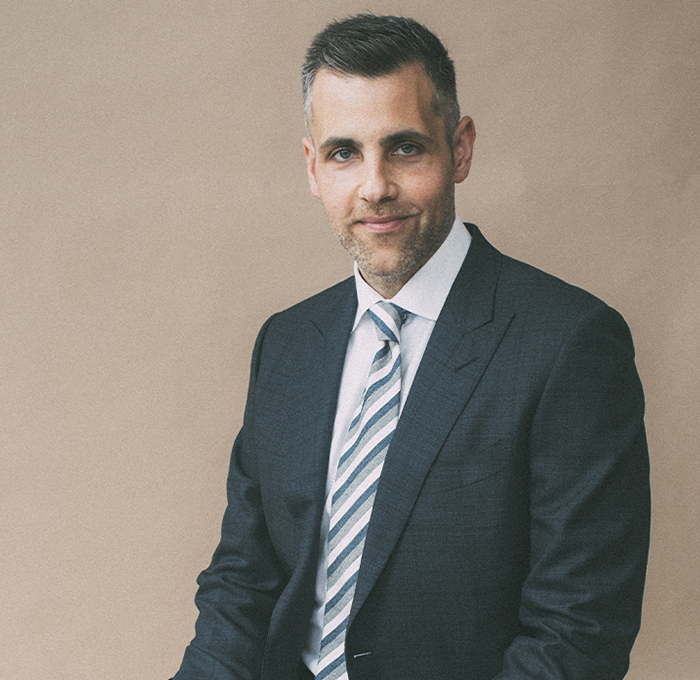
The highest standard of plastic surgery
Extensive training and surgical expertise allows Dr. Photis Loizides to consistently help patients achieve their desired, natural-looking plastic surgery results. He is a plastic surgeon fully accredited with the Royal College of Physicians and Surgeons of Canada. To schedule a consultation with Dr. Loizides, please get in touch.
What to Expect During Recovery
Recovery time varies, but most patients:
- Return to work in 1 to 2 weeks
- Resume light activities after 2 weeks
- Gradually return to normal activities after 4 to 6 weeks
Dr. Loizides will provide personalized care instructions and oversee your recovery to ensure optimal results.
A more detailed look at the breast lift recovery timeline helps patients plan and prepare with confidence. In the first 48 to 72 hours, you can expect swelling, bruising, and mild to moderate discomfort, which is well managed with prescribed medication. A surgical bra or compression garment will be worn continuously during the initial recovery phase to support healing tissues and minimize swelling. By the end of the second week, most patients feel well enough to resume desk work and light daily tasks, though strenuous activity, heavy lifting, and high-impact exercise should be avoided for at least 4 to 6 weeks.
Swelling continues to subside gradually over the first few months, and the final shape of your breasts typically becomes fully apparent around 3 to 6 months post-surgery. Incision lines will appear pink and raised at first, then gradually soften and fade over the course of 1 to 2 years. Attending all follow-up appointments with Dr. Loizides is important to monitor your healing and address any questions as they arise.
What Can You Expect From Long-Term Results?
A breast lift produces results that can last for many years when supported by a stable weight, a healthy lifestyle, and consistent use of a well-fitted supportive bra. While aging will continue to affect the breasts over time, the improvement achieved through mastopexy is meaningful and enduring. Most patients report sustained satisfaction with their results well beyond the 5- and 10-year marks.
Factors that can compromise long-term results include significant weight gain or loss, future pregnancies, and the continued effects of gravity and skin aging. Patients who maintain a stable body weight and practice good skin care tend to enjoy longer-lasting outcomes. Some women choose to pursue a minor revision procedure many years later to refresh their results, though this is entirely optional and not universally necessary.
Delivering real results
Opting to have plastic surgery is an enormous decision. We understand.
We want to intimately understand your goals and align on expectations.
What Are the Safety Risks, and What Does Dr. Loizides Do to Protect You?
As with all surgical procedures, a breast lift carries some degree of risk, and it is important that patients have an honest, thorough conversation with Dr. Loizides about what those risks involve. The most common concerns include temporary changes in nipple or breast sensation, swelling, bruising, asymmetry, and scarring. Less common but more serious risks include infection, delayed wound healing, and adverse reactions to anesthesia.
Dr. Loizides performs all breast lift procedures in a fully accredited surgical facility with an experienced anesthesia team, adhering to the rigorous standards set by the Royal College of Physicians and Surgeons of Canada. Comprehensive pre-operative screening, personalized surgical planning, and attentive post-operative care work together to reduce risk and support a smooth, safe recovery. Patients are encouraged to ask questions and voice concerns at any point in the process as transparency and informed consent are foundational to the care Dr. Loizides provides.
Schedule Your Ottawa Breast Surgery Consultation Today
Take the first step toward achieving your aesthetic goals. During your consultation, Dr. Loizides will discuss your expectations, examine your anatomy, and recommend the best approach for your needs.
Call us at (613) 505-0220 or schedule your appointment online. See why patients across Ontario trust Dr. Loizides for natural, beautiful breast surgery results.
FAQ
Breast Lift
Heavier breasts have more of a tendency to sag after a breast lift. Also, with normal aging, skin stretching occurs, which can result in some sagging over the years. It’s important to realize that the level of sagging will be much less than if there was no breast lift done in the first place.
Usually, the incisions are completely healed around six weeks. A few days after surgery, the incisions are healed enough to allow for normal showering and normal activities.
Following your breast lift, you should sleep on your back for the first couple of weeks. After that you can sleep on your side. Sleeping on your stomach should be avoided until six weeks after surgery.
Absolutely. While a breast lift does not affect fertility, it may impact breastfeeding options. Keep in mind that breast shape and volume will change with pregnancy. Pregnancy also changes skin elasticity, which can affect the long-term results of a breast lift. If you’re considering having children after a breast lift, please mention it to your surgeon.
Yes. Combining these procedures is very common. A breast lift can correct the position of a low nipple and drooping breast tissue but will not add volume to the breast. So, if a larger volume is desired, then a breast augmentation should be considered. It will also give more fullness to the upper part of the breast.
A breast lift does not remove glandular tissue and does not typically interfere with the ability to perform or read a mammogram. The incisions involved in mastopexy are made in the skin and do not disrupt the internal breast tissue in the same way that implants can. It is important to inform your radiologist that you have had breast surgery before your screening so they can adjust their technique and interpret the images accurately. In most cases, standard mammogram screening protocols continue unchanged after a breast lift.
Preparation for mastopexy begins several weeks before your procedure date. Dr. Loizides will provide you with a personalized pre-operative checklist that typically includes stopping smoking at least 4 to 6 weeks prior, adjusting or pausing certain medications and supplements that increase bleeding risk, such as aspirin, ibuprofen, and fish oil, and arranging for a trusted adult to drive you home and assist you for the first 24 to 48 hours after surgery. Maintaining a healthy diet, staying well hydrated, and getting adequate rest in the days before surgery can all support a smoother recovery. Your pre-operative appointment with Dr. Loizides is an excellent opportunity to ask any final questions and confirm that you feel fully informed and at ease.
Weight fluctuations after breast lift surgery can affect the quality and longevity of your results. Significant weight gain may cause the breasts to enlarge and stretch the skin again, while substantial weight loss can lead to a return of deflation and drooping. This is why Dr. Loizides recommends that patients be at or near their goal weight, and ideally stable at that weight for at least six months, before scheduling surgery. If you are working toward a weight loss goal, it is generally advisable to complete that journey before undergoing mastopexy. Patients who maintain a consistent weight after surgery tend to enjoy the most durable, satisfying long-term results.
Yes, for women who have decided to have their implants removed, combining explantation with a breast lift is often the most practical and aesthetically effective approach. When implants are removed, the breast tissue and skin that previously accommodated the implant volume may appear deflated or loose, and a mastopexy performed at the same time can restore a natural, lifted contour. Dr. Loizides will assess the condition of your existing tissue, skin quality, and degree of ptosis to determine whether a simultaneous lift is appropriate or whether a staged approach is safer given your individual circumstances. Many patients find that this combined procedure delivers a satisfying natural result without the need for new implants.
This is one of the most common questions Dr. Loizides hears during consultations, and the answer depends entirely on your anatomy and goals. If your primary concern is the position of your breasts, including nipples pointing downward or breasts sitting low on the chest wall, a breast lift alone is likely the most appropriate solution. If your main concern is a lack of volume or fullness in the upper pole of the breast, implants may serve you well. If you have both significant drooping and volume loss, a combined breast lift with augmentation may produce the most complete result. During your consultation, Dr. Loizides will carefully examine your breast tissue, measure the degree of ptosis, and help you understand which approach best aligns with your expectations and your body.
Yes, a breast lift can address asymmetry by reshaping and repositioning the breasts for a more balanced and harmonious appearance. If one breast is significantly larger, a breast reduction or augmentation can be combined with the lift to achieve symmetry.
Changes in nipple sensation can occur after a breast lift, but in most cases, this is temporary. As the nerves heal, sensation usually returns within a few months. Dr. Loizides uses advanced surgical techniques to minimize the risk of long-term sensation loss.
While all surgical procedures leave some scars, Dr. Loizides takes care to make incisions in less noticeable areas and uses techniques to minimize scarring. Over time, scars typically fade and become less prominent with proper care and scar management.
There’s no specific age for a breast lift. Candidates range from young women with sagging due to genetics to older women looking to restore a youthful contour after weight loss or pregnancy. The best time for a breast lift is when you feel ready and meet the criteria for the procedure.
While many women retain the ability to breastfeed after a breast lift, it depends on the surgical technique used and the individual’s anatomy. If future breastfeeding is a concern, discuss this with Dr. Loizides during your consultation to plan the best approach for your needs.
The anchor lift and the vertical (lollipop) lift are the two most commonly performed mastopexy techniques for moderate to significant breast sagging. The lollipop lift uses two incision lines, one around the areola and one running vertically to the breast crease, making it well-suited for moderate ptosis with a shorter overall scar pattern. The anchor lift adds a horizontal incision along the breast crease, allowing the surgeon to remove more excess skin and is typically reserved for more advanced sagging or larger breast volumes. The choice between these techniques is not one-size-fits-all, and Dr. Loizides will recommend the approach that corrects your specific degree of ptosis most effectively while keeping scar length as minimal as safely possible.
